REY’S KREATIONS

Materials
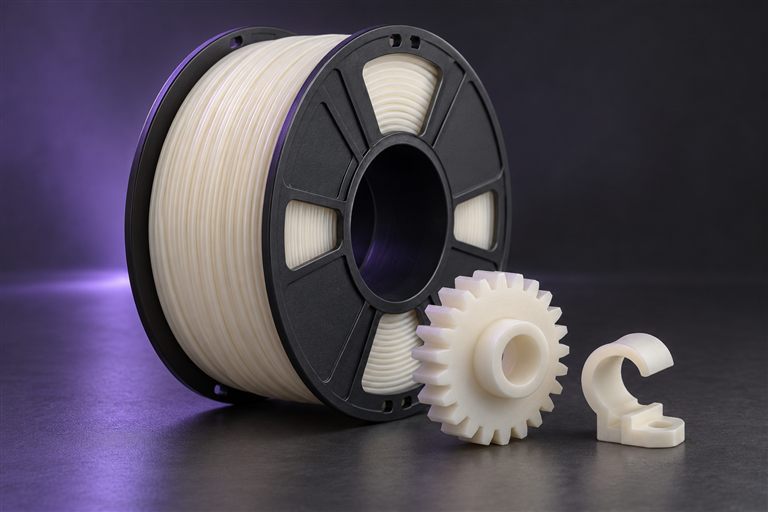
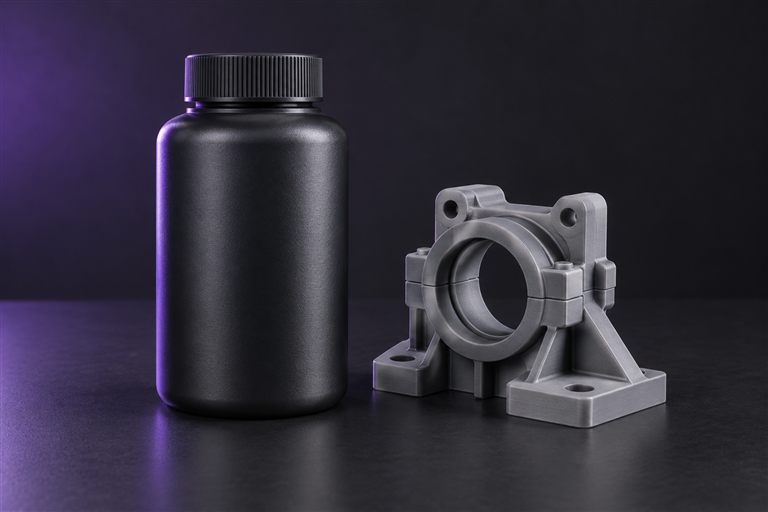
AI-generated concept artwork

MATERIALS FOR YOUR APPLICATION

The right material. For the right job.

Explore our printing materials, from everyday prototypes to high-performance engineering applications.

From display models to demanding industrial components, we help match the material to the job. The options below are available for project review, including PEEK. Exact grades, colors, lead times, and pricing are confirmed with your quote.

Everyday and flexible materials

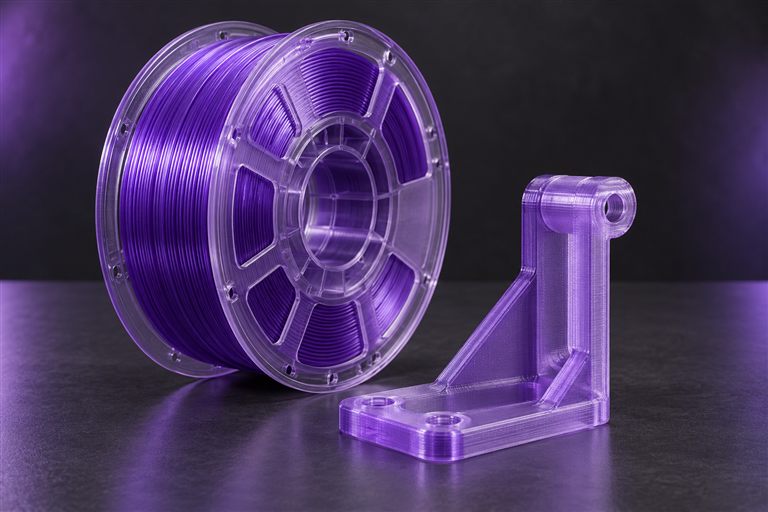
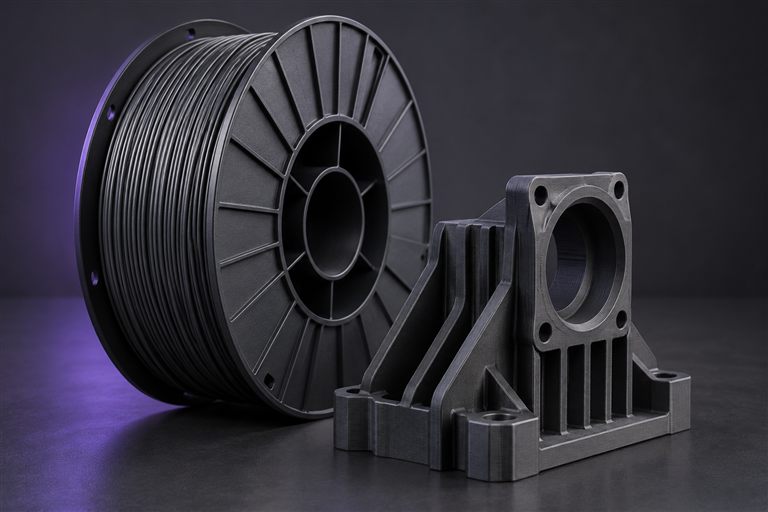
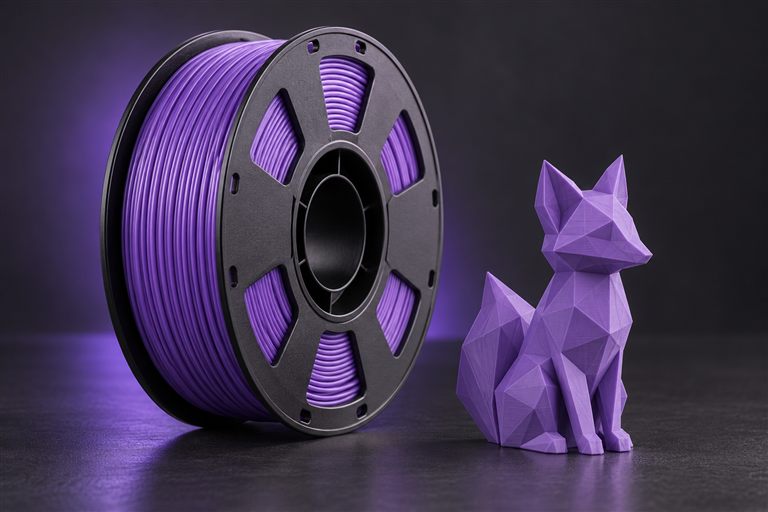
AI illustration for PLA / PLA Pro showing example printing material and parts
AI-generated illustration

PLA / PLA Pro

Consider it for: Crisp visual prototypes, display models, and economical design iterations.

A useful starting point when appearance and stiffness matter more than heat resistance. Pro formulations vary; confirm impact and heat requirements for the selected brand.

Ask about this material →
AI illustration for PETG / CR-PETG showing example printing material and parts
AI-generated illustration

PETG / CR-PETG

Consider it for: Durable everyday brackets, holders, and functional housings.

Balances toughness with practical printing. Sustained loads and elevated temperatures can cause creep; water exposure does not automatically establish aquarium or food-contact suitability.

Ask about this material →
AI illustration for ABS showing example printing material and parts
AI-generated illustration

ABS

Consider it for: Enclosures, fit-check assemblies, and functional prototypes.

Offers a practical balance of toughness and heat resistance. Outdoor UV exposure and tight dimensional requirements need review.

Ask about this material →
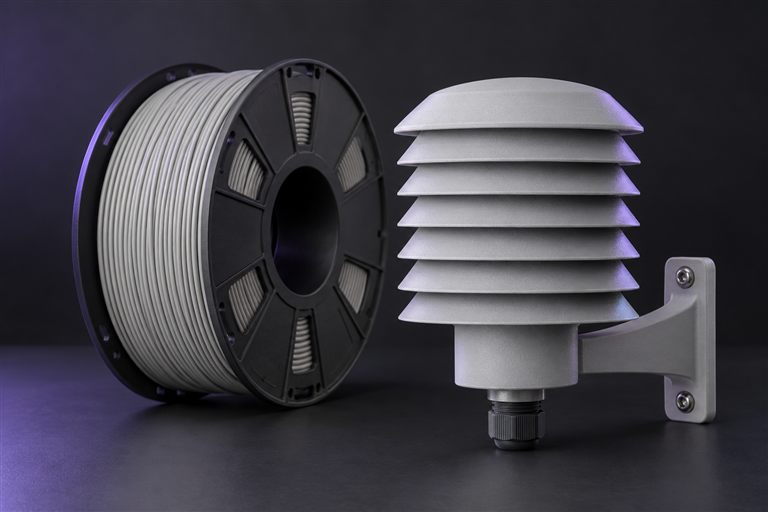
AI illustration for ASA showing example printing material and parts
AI-generated illustration

ASA

Consider it for: Outdoor housings, covers, and exposed fittings.

Chosen for weather and UV resistance. Load, temperature, and part geometry still determine service life.

Ask about this material →
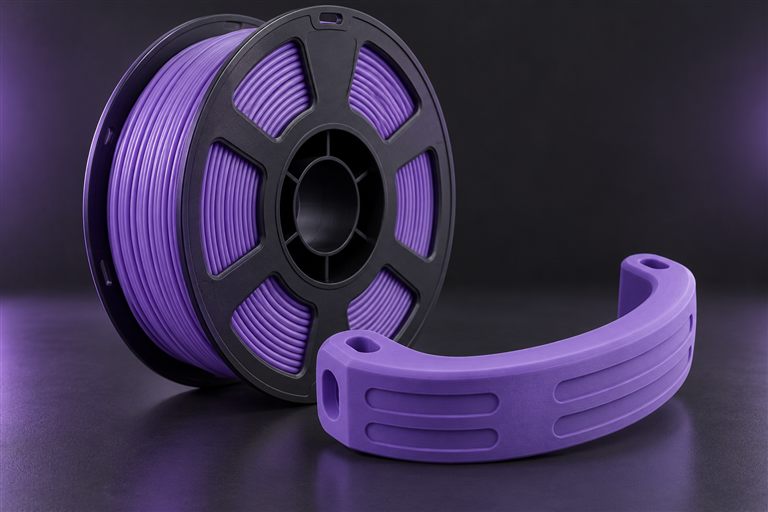
AI illustration for TPU / TPE showing example printing material and parts
AI-generated illustration

TPU / TPE

Consider it for: Flexible grips, bumpers, protective covers, and compliant parts.

Rubber-like flexibility supports cushioning and repeated bending. Hardness varies widely; compression, chemical exposure, and sealing requirements need grade-specific review.

Ask about this material →
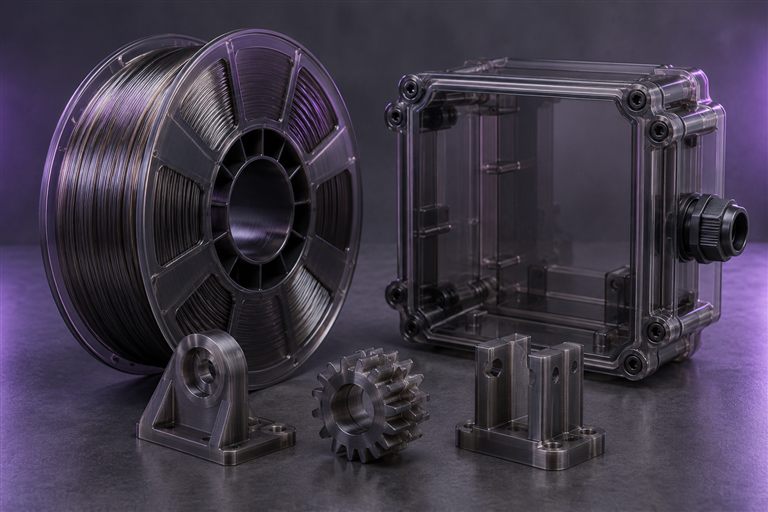
AI illustration for Polycarbonate (PC) showing example printing material and parts
AI-generated illustration

Polycarbonate (PC)

Consider it for: Tough protective housings, brackets, and tooling.

A candidate when impact and heat demands exceed basic prototype plastics. Moisture control, stress, and chemical compatibility matter.

Ask about this material →
AI illustration for Nylon / PA showing example printing material and parts
AI-generated illustration

Nylon / PA

Consider it for: Gears, clips, wear components, and working prototypes.

Toughness and wear behavior make nylon useful for moving parts. Moisture absorption can change dimensions and stiffness; PA grades differ.

Ask about this material →

Engineering and reinforced polymers

AI illustration for PPA showing example printing material and parts
AI-generated illustration

PPA

Consider it for: Stiff engineering fixtures and thermally demanding components.

A high-performance polyamide family worth considering when basic nylon is insufficient. Grade, reinforcement, moisture conditioning, and heat exposure determine suitability.

Ask about this material →
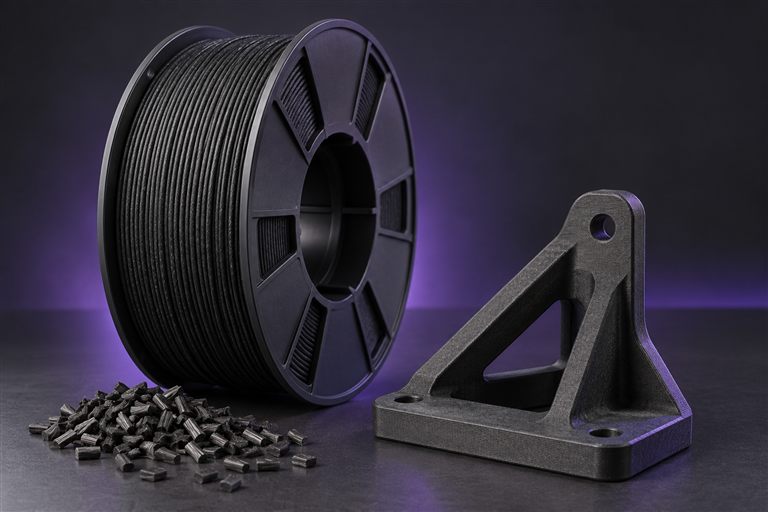
AI illustration for Carbon-fiber-filled polymers showing example printing material and parts
AI-generated illustration

Carbon-fiber-filled polymers

Consider it for: Rigid fixtures, lightweight brackets, and dimensionally stable components.

Fiber-filled grades can increase stiffness and reduce thermal movement. They are not automatically stronger in every direction; the base polymer and layer orientation remain critical.

Ask about this material →
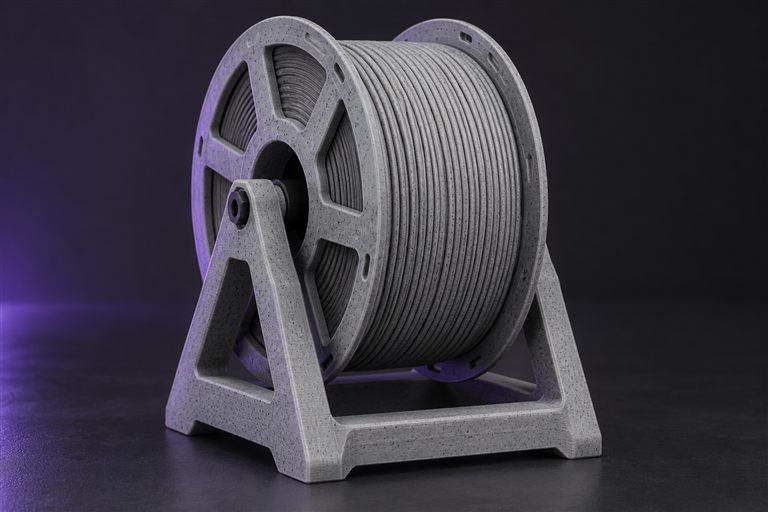
AI illustration for Glass-fiber-filled polymers showing example printing material and parts
AI-generated illustration

Glass-fiber-filled polymers

Consider it for: Stiff functional parts and engineering tooling.

Reinforcement changes stiffness, shrinkage, and weight. We select the base polymer and grade around load, temperature, and finish requirements.

Ask about this material →

High-performance polymers

AI illustration for PEEK showing example printing material and parts
AI-generated illustration

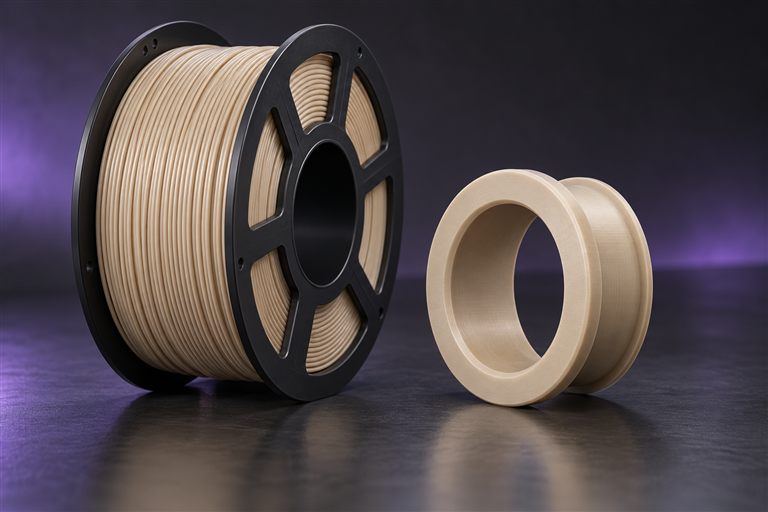
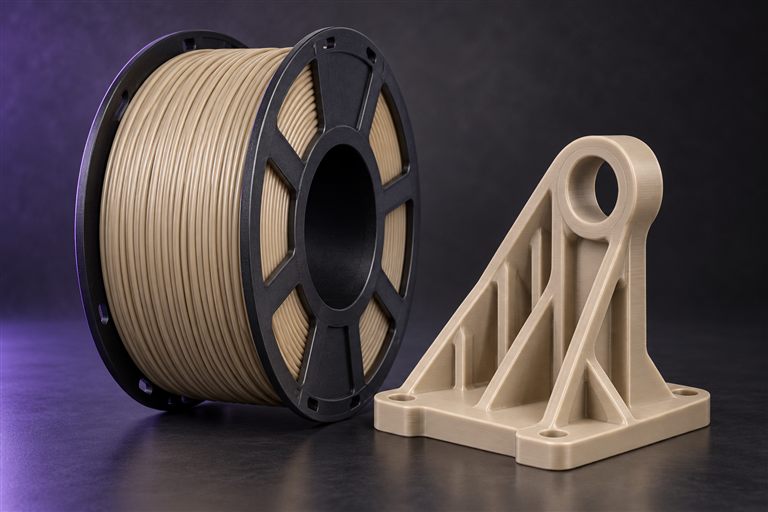
PEEK

Consider it for: Demanding industrial components exposed to heat, wear, or chemicals.

A premium high-performance polymer for applications that justify its material and processing cost. Finished-part properties depend on processing, crystallinity, orientation, and qualification.

Ask about this material →
AI illustration for PEKK showing example printing material and parts
AI-generated illustration

PEKK

Consider it for: High-performance tooling and specialized engineering parts.

A member of the PAEK family offering a different processing and crystallization profile from PEEK. Grade selection and thermal history are central to the result.

Ask about this material →
AI illustration for PEI / ULTEM™ showing example printing material and parts
AI-generated illustration

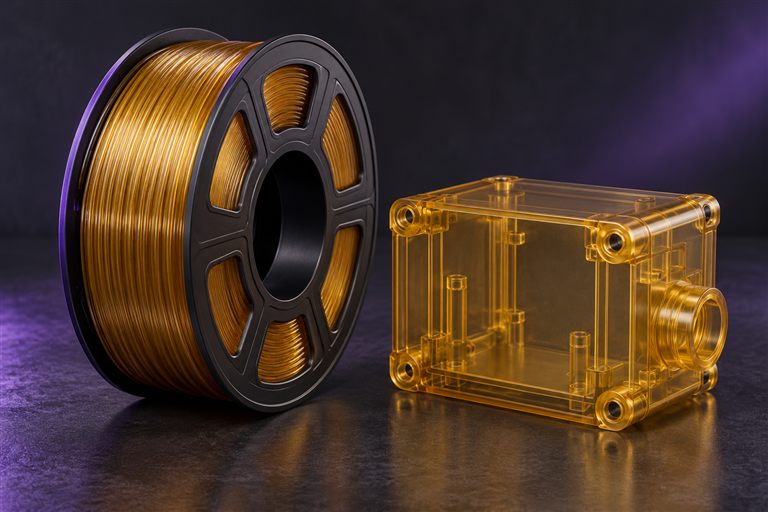
PEI / ULTEM™

Consider it for: High-temperature fixtures, housings, and electrical applications.

Combines thermal capability with useful stiffness and electrical properties. ULTEM identifies specific branded PEI grades; flame or aerospace compliance requires evidence for the actual material and process.

Ask about this material →
AI illustration for PPS showing example printing material and parts
AI-generated illustration

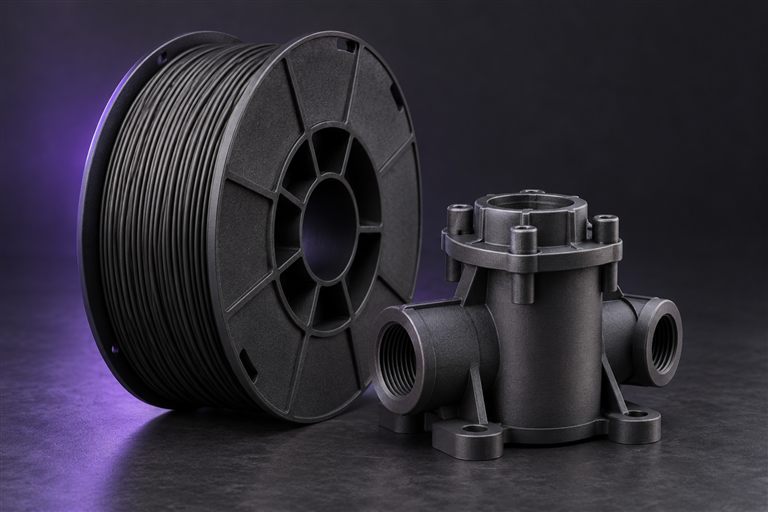
PPS

Consider it for: Chemical-service components and dimensionally demanding industrial parts.

Consider it for heat and chemical resistance. Impact loading, reinforcement, and processing conditions must be matched to the application.

Ask about this material →
AI illustration for PPSU showing example printing material and parts
AI-generated illustration

PPSU

Consider it for: Tough engineering housings and applications involving hot-water exposure.

Known for toughness and hydrolytic resistance. Sterilization or medical suitability requires validation of the exact grade and finished part.

Ask about this material →

Resins and specialty applications

AI illustration for Standard / detail resin showing example printing material and parts
AI-generated illustration

Standard / detail resin

Consider it for: Miniatures, presentation models, and intricate prototypes.

Fine features and smooth surfaces make resin valuable for visual detail. Standard formulations may be brittle; cleaning and post-curing affect properties.

Ask about this material →
AI illustration for Tough / engineering resin showing example printing material and parts
AI-generated illustration

Tough / engineering resin

Consider it for: Snap-fit prototypes, enclosures, jigs, and fixtures.

Formulations target particular combinations of stiffness, impact resistance, or ductility. “ABS-like” describes material behavior; it does not mean the resin has the same chemistry as ABS.

Ask about this material →
AI illustration for Flexible / elastic resin showing example printing material and parts
AI-generated illustration

Flexible / elastic resin

Consider it for: Soft-touch prototypes, grips, and compliant geometry.

Useful for detailed flexible parts. Tear strength, rebound, and aging vary by formulation and post-curing process.

Ask about this material →
AI illustration for High-temperature / specialty resin showing example printing material and parts
AI-generated illustration

High-temperature / specialty resin

Consider it for: Tooling, casting patterns, and specialized prototypes.

Select a purpose-made formulation for heat, casting, clarity, or other needs. A heat-deflection rating is not a continuous-use temperature; certified applications require documented materials and workflows.

Ask about this material →

Choose by application, not just material name.

Send your operating temperature, load, chemical exposure, sunlight or water exposure, target dimensions, quantity, and finish requirements. Printed parts can behave differently across layer directions. Material datasheets guide selection; they do not certify a finished part.

Food contact, drinking water, aquarium use, electrical safety, medical use, and regulated applications require review of the exact material and process.

Get a material recommendation

reyskreations@gmail.com

Material reference guides

General reference information: Prusa material guide, Ensinger polymer overview, Formlabs resin guide, and Polymaker composite material guidance. These references do not imply that we use every listed manufacturer or hold their certifications.